So, you’re eager to get into boxing, or maybe you’ve been at it a while, and a question pops up: Can you wear boxing gloves without wraps? It’s a question with a surprisingly nuanced answer, and one that’s crucial for your safety and the longevity of your boxing career. We’re going to break down everything you need to know, from the basic anatomy of a boxing glove to the potential risks and benefits of skipping the wraps.
This isn’t just about following rules; it’s about understanding why those rules exist. Boxing is a tough sport, and protecting your hands is paramount. I’ll explain the purpose of wraps, when it might be okay to forgo them, and what alternatives you can consider. We’ll also cover the importance of proper glove fit, hand hygiene, and how to spot potential issues that could arise from not using wraps. Let’s get started!
The Anatomy of a Boxing Glove
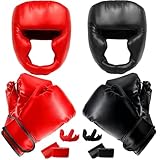
Before we dive into the wraps debate, let’s understand the tools of the trade. Boxing gloves are more than just padded hand coverings; they’re complex pieces of equipment designed to protect both the wearer and their opponent. They consist of several key components:
- The Padding: This is the bulk of the glove, usually made of foam or a combination of foam and other materials. The padding absorbs the impact of punches, protecting your knuckles and the bones in your hand.
- The Shell: Typically made of leather or synthetic materials, the shell encases the padding and provides the glove’s exterior structure. It needs to be durable to withstand repeated impacts.
- The Wrist Support: This area is crucial for stabilizing your wrist and preventing injury. It often features a hook-and-loop closure (Velcro) or a lace-up system.
- The Thumb: Most boxing gloves have an attached thumb, designed to prevent hyperextension and protect against eye injuries.
- The Lining: The inside of the glove is lined with a material that helps absorb sweat and provides a comfortable fit.
Understanding these components helps you appreciate the role each part plays in protecting your hands. While the glove itself offers significant protection, it’s not designed to handle all the stresses of boxing without assistance.
Why Hand Wraps Are Essential
Hand wraps are more than just accessories; they are a critical piece of safety equipment. Their primary functions include:
- Protecting the Bones: The hand contains 27 bones, and wraps help compress and stabilize them, reducing the risk of fractures and other injuries.
- Supporting the Wrist: Wraps provide additional support to the wrist joint, minimizing the risk of sprains and other wrist injuries.
- Protecting the Knuckles: Wraps create a protective layer over the knuckles, absorbing impact and reducing the risk of cuts, abrasions, and bruising.
- Absorbing Sweat: Boxing gloves can get very sweaty. Wraps absorb sweat, keeping the gloves cleaner and extending their lifespan.
- Providing a Secure Fit: Wraps help to create a snug and secure fit inside the gloves, preventing the hand from moving around and reducing the risk of injury.
Think of hand wraps as a second skin for your hands. They provide an extra layer of protection and support that the gloves alone cannot offer. Skipping the wraps significantly increases your risk of injury.
The Risks of Boxing Without Wraps
The potential consequences of boxing without hand wraps are numerous and can range from minor discomfort to serious, career-altering injuries. Here’s a closer look at the risks: (See Also: How Heavy Boxing Gloves Should I Get )
- Increased Risk of Hand Fractures: The bones in your hand are delicate, and repeated impacts without proper support can lead to stress fractures or breaks.
- Increased Risk of Sprains and Strains: The wrist and other joints are vulnerable without the added support of wraps.
- Knuckle Injuries: Without wraps, the knuckles are directly exposed to the impact of punches, leading to cuts, bruises, and even fractures.
- Skin Abrasions and Cuts: The friction inside the glove can cause skin abrasions and cuts, especially during extended training sessions.
- Accelerated Glove Wear and Tear: Sweat and friction can damage the inside of your gloves, shortening their lifespan.
- Reduced Punching Power and Accuracy: The lack of support can affect your punching technique, leading to less power and accuracy.
These risks are not theoretical; they are based on the real-world experiences of boxers who have trained or competed without wraps. The potential for serious, long-term damage is very real.
When Might It Be Okay to Wear Boxing Gloves Without Wraps? (and When It’s Not)
There are very few situations where it’s advisable to wear boxing gloves without wraps, and even then, it’s a calculated risk. Here are some scenarios and considerations:
- Light Bag Work: If you’re doing very light bag work, focusing on technique and speed rather than power, you might consider it. However, even in this case, the risk is still present.
- Shadow Boxing: Shadow boxing, where you’re throwing punches without hitting anything, poses less risk. However, it’s still good practice to wear wraps, as it reinforces good habits.
- Testing Glove Fit: When trying on new gloves, you might put them on without wraps to assess the fit. But remember, this is for a very short time only.
- Sparring or Heavy Bag Work: Absolutely NOT. Never, ever, spar or hit the heavy bag without hand wraps. The impact forces are too great, and the risk of injury is unacceptably high.
- Competition: Competitive boxing requires hand wraps. The rules mandate it for the safety of the fighters.
The key takeaway is this: The risk increases exponentially with the intensity of the workout. The more force you generate, the more important wraps become.
Alternatives to Hand Wraps (and Why They’re Often Insufficient)
While hand wraps are the gold standard, some alternatives exist. However, they generally offer less protection and support:
- Quick Wraps/Gel Wraps: These are pre-made wraps that slip on your hand and secure with Velcro. They’re faster to apply, but they often provide less support than traditional wraps. They can be a decent option for beginners or for quick workouts, but they are not a complete substitute.
- Mexican Style Wraps: These are a type of hand wrap that is slightly more stretchy and flexible than traditional wraps. They are popular for their comfort and better hand protection, but still require proper wrapping technique.
- Hand Wrap Gloves: These combine a glove with built-in wraps. They can be convenient, but the level of support is often less than traditional wraps.
- No Alternatives are a Substitute: The bottom line is, while alternatives can offer some protection, they are rarely as effective as traditional hand wraps, especially for intense training or sparring.
How to Properly Wrap Your Hands
Proper hand wrapping is an art form, and mastering it is crucial for safety. Here’s a basic guide to wrapping your hands:
- Prepare Your Wraps: Ensure your wraps are clean and in good condition.
- Start with the Wrist: Wrap the wrist several times to provide support.
- Wrap the Knuckles: Create a protective layer over your knuckles.
- Wrap Between the Fingers: Secure the hand by wrapping between the fingers.
- Finish with the Wrist: Secure the wraps with Velcro.
- Check the Fit: Ensure the wraps are snug but not too tight, and that your hand feels supported.
There are many different wrapping styles, and you can find instructional videos online. Experiment to find a style that works best for you, but always prioritize the protection of your knuckles and wrist. Practice wrapping your hands until it becomes second nature. (See Also: How To Get Blue Boxing Glove Webfishing )
Choosing the Right Boxing Gloves
The right gloves are critical, but they can’t replace wraps. Here’s what to consider:
- Size: Gloves come in different sizes, measured in ounces (oz). Choose the right size based on your weight and the type of training you’re doing. Heavier gloves provide more protection but can be tiring.
- Material: Leather gloves are generally more durable and comfortable than synthetic gloves, but they are more expensive.
- Padding: The padding should be dense enough to absorb impact but not so thick that it impairs your punching technique.
- Fit: The gloves should fit snugly but not restrict movement. Make sure there is enough room for your wrapped hands.
Even with high-quality gloves, hand wraps are still essential. The gloves are designed to protect you, but the wraps are designed to protect your hands.
Hand Hygiene and Glove Care
Maintaining good hand hygiene and taking care of your gloves can help prevent injuries and extend the life of your equipment. Here’s what you should do:
- Wash Your Hands: Always wash your hands before and after training.
- Dry Your Gloves: After each use, allow your gloves to dry completely. Stuff them with newspaper or use a glove dryer to absorb moisture.
- Clean Your Gloves: Wipe down the outside of your gloves with a damp cloth after each use. Consider using a glove cleaner to remove sweat and odor.
- Air Out Your Gloves: Store your gloves in a well-ventilated area.
- Use a Glove Deodorizer: To eliminate odors, use a glove deodorizer.
Proper hygiene is crucial for preventing infections and keeping your gloves in good condition. Neglecting these steps can lead to skin issues and premature wear and tear on your gloves.
Recognizing and Addressing Hand Pain
Even with wraps and gloves, hand pain can occur. It’s important to recognize the signs of potential problems and take action:
- Sharp Pain: This could indicate a fracture or serious injury. Seek medical attention immediately.
- Dull Ache: This could indicate inflammation or overuse. Rest and ice the area.
- Swelling: This could indicate an injury. Rest, ice, compression, and elevation (RICE) are recommended.
- Numbness or Tingling: This could indicate nerve compression. Consult a medical professional.
If you experience any hand pain, stop training immediately. Ignoring the pain can lead to more serious injuries. See a doctor or physical therapist if the pain persists or worsens. (See Also: Are Synthetic Leather Boxing Gloves Better )
Glove Fit and Hand Wrapping: A Synergistic Approach
The fit of your gloves and the way you wrap your hands are interconnected. You want to ensure that your wraps and gloves work together to provide optimal protection and comfort. Here’s how to achieve this:
- Wrap Your Hands First: Always wrap your hands before trying on your gloves. This will ensure that you choose the correct glove size.
- Check for a Snug Fit: Your gloves should fit snugly over your wrapped hands, but they shouldn’t be so tight that they restrict your movement.
- Test Your Range of Motion: Make sure you can comfortably make a fist and move your hand in all directions.
- Consider the Padding: The amount of padding in your gloves will affect the fit. If you are using thick wraps, you may need a larger glove size.
By considering both glove fit and hand wrapping technique, you can create a system that maximizes your protection and allows you to train safely and effectively.
The Long-Term Benefits of Proper Hand Care
Investing in proper hand care pays off in the long run. By using hand wraps, practicing good hygiene, and addressing any pain or discomfort, you can:
- Extend Your Boxing Career: Protecting your hands allows you to train and compete for a longer period.
- Reduce the Risk of Chronic Injuries: Preventing acute injuries reduces the risk of long-term problems.
- Maintain Your Quality of Life: Healthy hands are essential for everyday activities.
- Enhance Your Performance: When your hands are healthy, you can punch harder and more effectively.
Proper hand care is an investment in your health and well-being. It’s not just about boxing; it’s about protecting your hands for life.
The Importance of Professional Guidance
If you’re new to boxing, seek guidance from a qualified coach or instructor. They can teach you the proper techniques for wrapping your hands, choosing the right gloves, and training safely. They can also help you identify any potential problems and provide personalized advice. Don’t hesitate to ask for help; it’s the best way to ensure your safety and success.
Consult a medical professional if you experience persistent hand pain or any other concerning symptoms. They can diagnose and treat any injuries, ensuring that you can continue to train safely. Your health is the most important thing, so don’t take any chances.
Final Thoughts
So, can you wear boxing gloves without wraps? The simple answer is: you shouldn’t. While there might be rare exceptions for extremely light activity, the risks far outweigh the benefits. Hand wraps are a crucial piece of safety equipment, providing essential support and protection for your hands. They’re a non-negotiable part of boxing for a reason.
Prioritizing your hand health is paramount. Proper hand wrapping, combined with good glove hygiene and awareness of potential injuries, is essential for a long and successful boxing journey. Always use hand wraps for sparring, heavy bag work, and competition. Remember, it’s better to be safe than sorry. Train smart, wrap smart, and enjoy the sport!